Given the title you’d think this was attached to John Wick, but it’s decidedly not.
My last panel of the weekend was about running a game that includes “that guy”. I was moved up to the moderator position for this one, so I had limited chat time, but did get to (try) to guide the conversation. I put ‘try’ in there because we had a really excellent panel of creative and sharp people. As we were sitting and chatting before the official panel started we were covering various topics in a startlingly inattentive way. Somebody said, “train of thought derailed… no survivors…” and that was immediately met with “Oh No! All those poor, theoretical thought people!”
Theoretical thought people sort of became an unofficial theme as we rolled into our discussions. It was a whole lot of fun and I was really happy to have such a great panel of folks to work with. Below are my panel notes. The fixes listed are mine alone. The rest of the panel had some great suggestions as well.
Panel description:
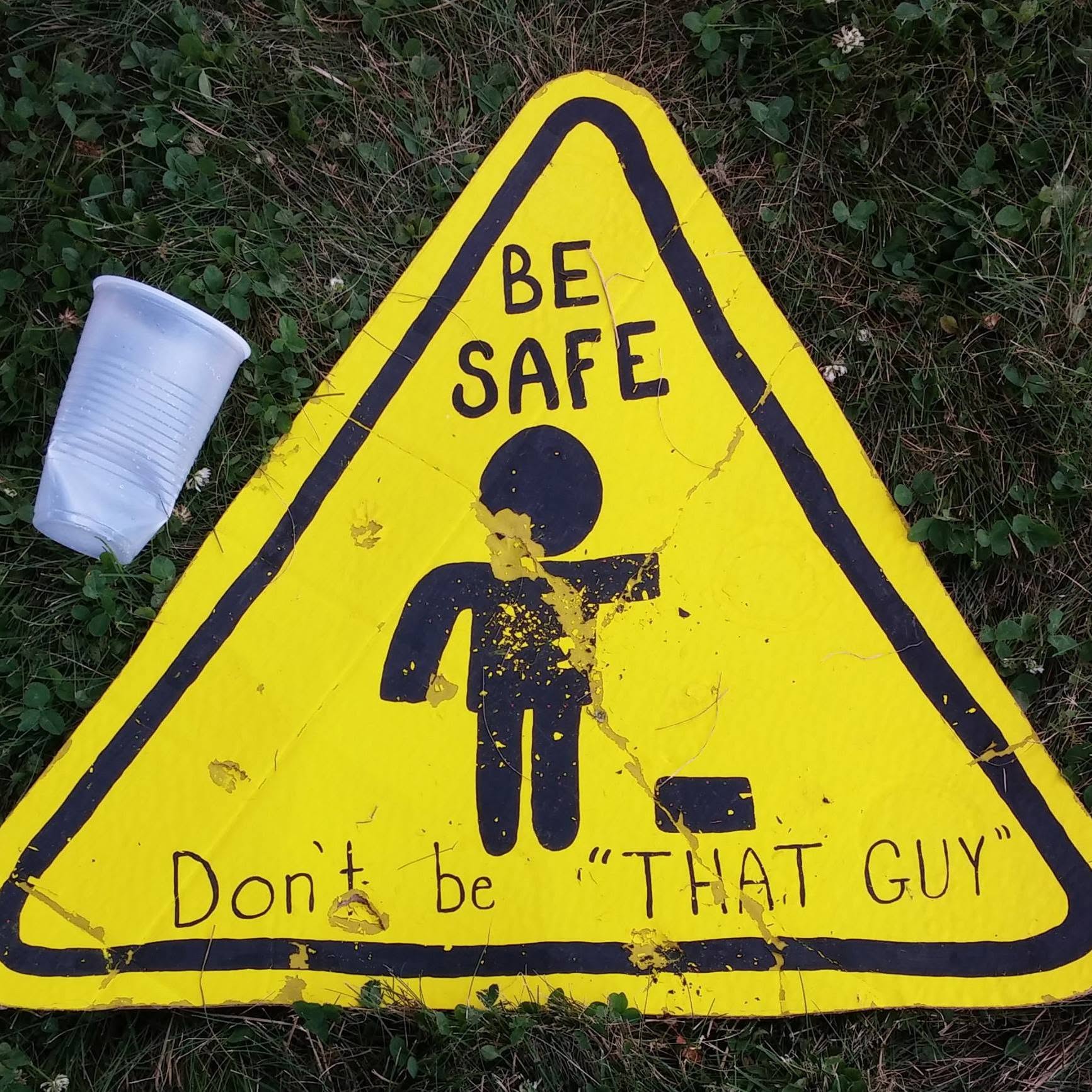
One of the biggest problems that can be encountered with running games at events is That Guy. Everyone has heard of a That Guy. They’re the Murder Hobo, the Horny Bard, the one player who doesn’t care about the story or progression or the rest of the party. Our team of Game Masters will share their stories, and discuss tactics to curtail these behaviors.
Loose Outline:
Introductions ~ include: are you currently running a game? Are you currently playing a game?
Definition – what is your definition of “that guy” (or girl – let’s not narrow it too far).
Connected to above – Are there specific types of or styles of “that guy”?
Do you believe in session zero? Will it stop “That Guy”?
Do you have, use or are familiar with player consent question lists? Should GMs use those?
What about personal connections? Does the DMs boyfriend always get special treatment?
Ask the audience for (short) specific examples and see how the panel would handle it?
Example types of bad players:
Rules lawyer(s) – Rules as written OR rules as DM says that’s how it works…
Fix – ask them to help you, and track all the rules (and changes) you make and use.
Instigator – Rogues stealing party treasure, fighting internally, “Leroy Jenkins”!
Fix – actions and consequences, set the tone to your own game, DON’T ROLL – make rulings
Spotlight Hog – player talks over everyone else, jumps onto doing the same action as others
Fix – sandwich compliment(s) around issue. Often just excited~
The Cheater – Faking rolls, “fixing” the amount of gold they have… etc.
Fix – Don’t tell them if they need to roll high or low
The Power Gamer – trying to be super powerful, stretching the rules, pushing limits. Hard to DM
Fix – Use them OR ask them what they’re goal is and then put the next steps on them.
Also – The bad guys learn… how will they grow the character if combat isn’t a challenge?
The Immersion breaker – pulling people out of the mood IF you’re hitting on all the wrong notes
Fix – land
The Meta-gamer – can’t make the separation between player and character knowledge
Fix – ask the player if they think they would know something
The Boss / Critic – who thinks they know it all and tell everyone else what to do or tell them it’s wrong
Fix – direct, call out the behavior
Flippant – Just not paying attention, constantly on the phone, don’t really seem to want to play
Fix – try to engage them a little, see how they respond
IF it doesn’t work, give them an option to leave (and talk it all out) {EPIC DEATH EXIT?}
Communication is key!
My personal house Rule #1: It’s just a game.
We’re here to have fun, and if we’re not having fun, then why are we doing it? Get out there, play games, have fun!